
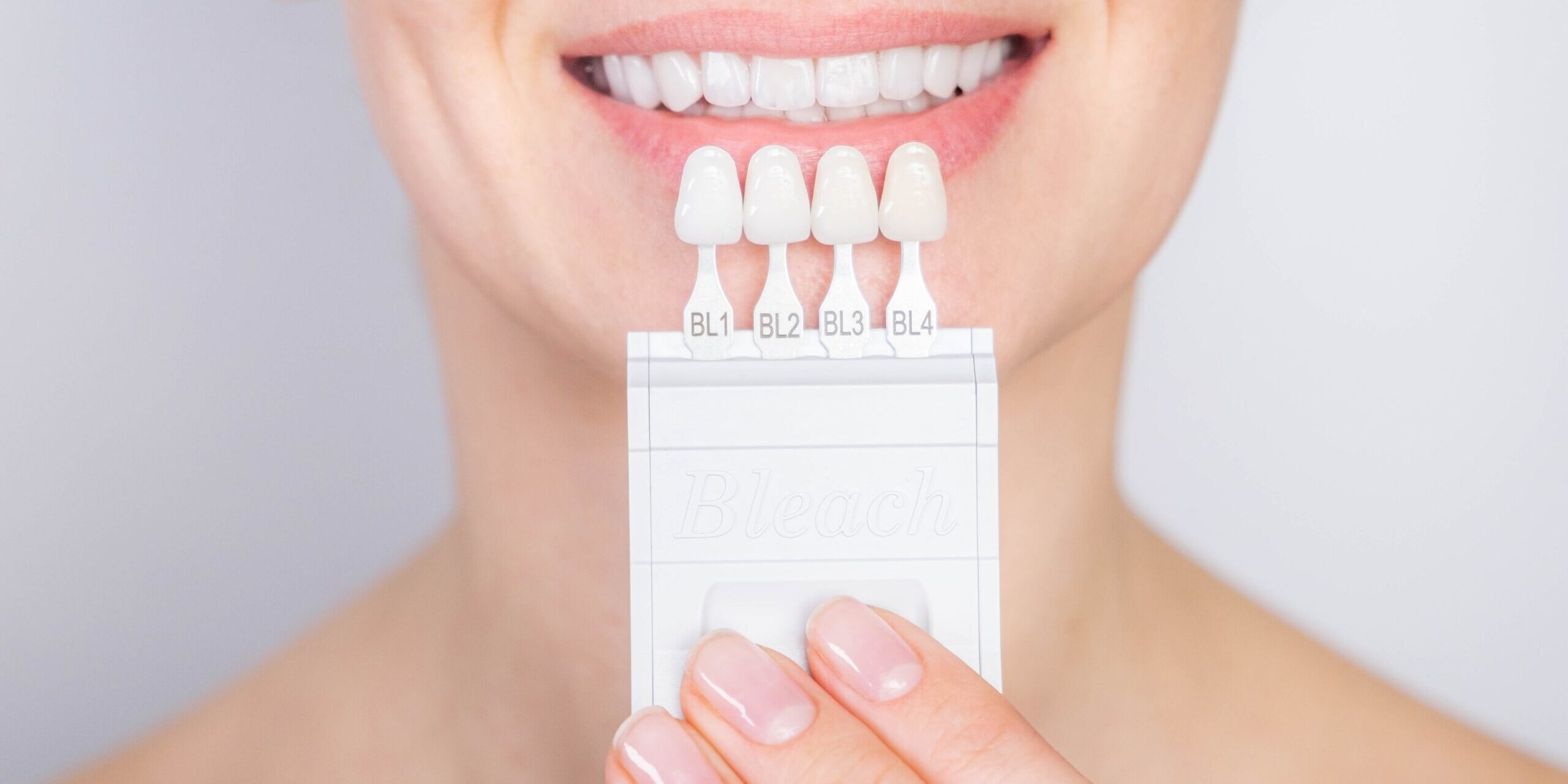
These days, veneers are one of the most popular solutions for achieving supermodel-level smiles. Typically made from porcelain or composite resin, a veneer is simply a thin shell-like layer bonded over the tooth to restore a smooth surface with even colouring.
However, as this is a cosmetic dental treatment, you can’t get veneers on the NHS unless there’s a medical reason for needing them. This means that the cost of private dental care can put some people off from getting veneers, even if it would help to restore their smile.
Here at Finsbury Dental Care, we offer competitive fees and pricing for porcelain veneers and composite veneers. To help you decide whether this investment would be worth it for you, here’s what you need to know about the pros and cons of paying for veneers.

Pros and cons of dental veneers
When it comes to correcting minor dental imperfections, veneers are an ideal solution. Whether your teeth are severely discoloured, irregularly shaped, or slightly chipped, veneers can help to give you a straighter, whiter, and more symmetrical smile.
That said, veneers aren’t always right for every patient, as the best cosmetic dental treatment can vary depending on the individual’s unique teeth and how they would prefer their teeth to look. Below, we’ve listed the pros and cons of veneers to help you decide.
Pros of dental veneers
Here are some of the major benefits of veneers that we believe make them worth the cost:
1) Minimally invasive
Applying dental veneers is a fairly simple procedure with minimal discomfort, rewarding you with a brand-new smile in just one or two visits to your dentist.
Unlike crowns, where a significant amount of the tooth is removed so the crown can cover the remaining natural tooth like a cap, veneers only require the removal of a thin layer of enamel to make room for the veneer material to lay on top without being bulky.
Since the procedure isn’t very invasive, there are lower risks for damage to the teeth or infection during recovery. While it can take several days to adjust to the feeling of the veneers in your mouth, you can return to your normal routines pretty much right away.
2) Long-lasting
When crafted and applied by trained professionals like ourselves at Finsbury Dental Care, dental veneers are designed to last for as long as possible.
The longevity of veneers depends on factors such as the material you choose and how well you take care of them. Typically, porcelain veneers can last for up to 15 years, while less expensive composite veneers can last around 7 years.
You should receive guidance on how best to maintain your veneers from your dentist during the consultation stage and after they’ve been fitted. Be sure to attend regular dental check-ups, too, as this can help to prolong the lifespan of your veneers.
3) Low maintenance
Once your veneers are bonded to your teeth, you won’t have to do much to preserve your improved smile. While you may have to whiten your natural teeth periodically to maintain the same colour as the veneers, they’re a low-maintenance solution.
Veneers don’t require any extra special care, but you do need to maintain good oral hygiene – including brushing twice a day and flossing regularly – to ensure that the natural teeth below don’t develop tooth decay that can compromise the veneer.
As long as you look after your veneers like you care for your natural teeth, they should all stay healthy and remain in good condition for years to come.
4) Natural look
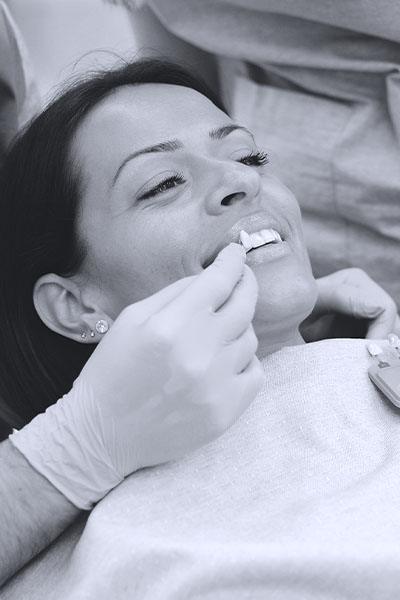
Whether you opt for porcelain or composite veneers, your dentist will carefully match their colour to the shade of your natural teeth. This way, the veneers blend in with the rest of your teeth and look completely natural, too.
Composite veneers use a dental resin applied in layers directly to the tooth, while porcelain veneers are created separately using an impression of your teeth before being bonded to their surface. Your dentist skilfully moulds or positions your veneers to achieve the desired look.
Veneers can feature subtle ridges like natural teeth and are polished to a gentle shine, enhancing their organic appearance. Being highly stain-resistant, veneers will also maintain their exact look for a long time.
5) Fully functional
While a thin layer of the outer enamel is shaved to create room for the veneer and give it a better surface to adhere to, your natural tooth will remain strong beneath the veneer. You should be able to bite and chew as normal soon after they’re applied.
Since dental veneers are bonded directly to the tooth surface, they are about as strong as your natural teeth. However, biting very hard foods directly can cause veneers to crack or chip, just as your natural teeth can if you aren’t careful.
This means that while your veneers allow you to eat normally, you should avoid biting firm foods directly with teeth that have veneers – such as apples, carrots, or meat with bones.
6) Confidence boost
Most people who get veneers choose to do so because of a minor cosmetic issue that has a negative effect on their self-esteem. After all, if your teeth don’t look the way you think they should, it can be difficult to smile or enjoy yourself when socialising.
Veneers are a straightforward and fast way of covering up minor imperfections in teeth that are visible at the front of your mouth. Whether it’s a single damaged tooth, a noticeable gap between teeth, or irreversible staining, veneers can help.
They don’t just disguise the issue, but also help to keep your teeth in the best possible condition while doing so. Once veneers have been applied, many people feel a huge difference in their confidence, as they can now show off their flawless smiles without feeling self-conscious.
Cons of dental veneers
Like any cosmetic procedure, veneers can have downsides, too – including the following:
1) Higher cost
As they are custom-made in a dental laboratory to match your tooth shape and colour, and look just like natural teeth, porcelain veneers can be pricey. The cost is charged per tooth, so a full set of veneers can add up, though it’s more affordable for one or two teeth.
If you want to get your teeth straightened or whitened before veneers are applied, so you can make the most of your entire smile being uniform and bright, this can also make the process more expensive – but patients typically find the excellent results worth it.
Spreading the cost with a dental finance plan can help to ease the bill, or you could opt for a cheaper alternative to porcelain veneers, like composite bonding.
2) Semi-permanent solution
While dental veneers are an excellent investment, they may not be right for everyone. Before committing to veneers, you have to bear in mind that it’s irreversible – meaning once you have your teeth prepped for veneers, you can’t go back to just using your natural teeth.
Therefore, you’ll have to keep wearing veneers for as long as your natural teeth underneath last. As some of the enamel is removed to make room for the veneers, you can’t leave your natural teeth exposed without them, because they will be weaker and very sensitive.
Since dental veneers typically last between 7 and 15 years, this also means that you’ll have to be prepared to invest in replacement veneers whenever the time comes.
3) Can still chip or crack
Though dental veneers are robust, just like natural teeth, they can still chip or crack under extreme force. This means you should avoid sticky or hard foods (including ice cubes), and shouldn’t use your teeth as tools to open things or chew your nails.
Additionally, you may have to be more careful about your eating habits to favour the teeth with veneers. As veneers are usually applied to the front eight teeth, it’s better to chew firm foods with your back teeth so you put less pressure on the veneers.
You should also speak to your dentist about a custom-fitted mouth guard if you play contact sports or engage in activities where there is a higher risk of damaging your veneers.
4) Can’t be whitened
One reason why many patients choose to whiten their teeth before they get veneers is that the veneers will be matched to the colour of the rest of their teeth, and once they’re fitted, the colour of veneers cannot be changed without replacing them.
Natural teeth can vary in colour over time, due to factors from diet to ageing, but non-porous porcelain will stay the same shade for a long time. This means you may have to keep whitening the rest of your teeth to make sure they match the veneers.
To avoid discolouration of your natural teeth making the veneers stand out, you may have to adjust your lifestyle habits – cutting out pigmented foods and drinks wherever possible.
5) Only for cosmetic issues
It’s important to note that fitting veneers is a cosmetic procedure, which cannot be used to treat non-cosmetic issues. As mentioned earlier, you may need to undergo other dental procedures first before your teeth are suitable for veneers.
For example, you may want to straighten your teeth with braces or Invisalign before covering permanent discolouration with veneers, or you might need to receive treatment for gum disease or fill cavities in other teeth before you can pursue cosmetic treatment.
Veneers are not suitable for advanced dental concerns like severe decay, damage, or misalignment – but your dentist will tell you if this applies at your consultation.
Are dental veneers right for you?
If your teeth are in otherwise good condition, but you don’t like the look of a chipped, cracked, or discoloured tooth – or multiple teeth – then dental veneers could be the most straightforward way to achieve a beautiful and functional smile makeover.
On the other hand, if you struggle with any of the bad habits mentioned above, or have a history of dental problems, then veneers are probably not the best choice for your teeth.
Your dentist will assess the condition of your teeth at an initial consultation to determine whether you’re a viable candidate for veneers – and if you have weakened enamel or gum disease, then unfortunately you may not be.
However, if none of these issues concern you – or you’re willing to improve your dental hygiene and bad oral habits for the sake of a better smile – then dental veneers could definitely be the right option for restoring your smile.
If you’re looking for a more minimal change, we also offer composite bonding in London to cover chips or gaps on fewer teeth. We can explain your options to you following a cosmetic dentistry consultation at Finsbury Dental Care.
How much do dental veneers in London cost?
All the benefits of dental veneers might sound amazing – but what about the price? As with any type of private dental work, the cost of veneers can depend on factors such as the type of veneer, the condition of your teeth, and the location of your dental practice.
The current state of your teeth and oral health are important in determining the cost of veneers, as other treatments may be required first to get your teeth in the best condition for veneers.
For example, if you’re dealing with gum disease or tooth decay, or if your teeth are misaligned, this will need to be addressed before veneers can be applied safely and successfully.
You might worry that the cost of veneers in London is out of your budget, but we aim to make our services as affordable as possible at Finsbury Dental Care. That’s why we offer dental financing options, so patients can spread the cost of veneers with monthly repayments.
Contact Finsbury Dental Care for veneers in London
Ready to invest in a confident smile? Then get in touch with the highly experienced team at Finsbury Dental Care, who can talk you through the different options for veneers in London and help you choose the right treatment for your individual needs.
Give us a call on 020 7638 6556 or email us at [email protected] to arrange a consultation at our private clinic near Finsbury Circus. With a friendly and welcoming atmosphere, one of our dental professionals will assess your teeth and sit down with you to discuss veneer types, procedures, and payment plans.
You’ll be under no obligation to continue if you decide that veneers aren’t right for you after all, but if you do choose Finsbury Dental Care to provide your veneers, you can be sure that you’ll receive the best possible treatment at all times.
